Blog

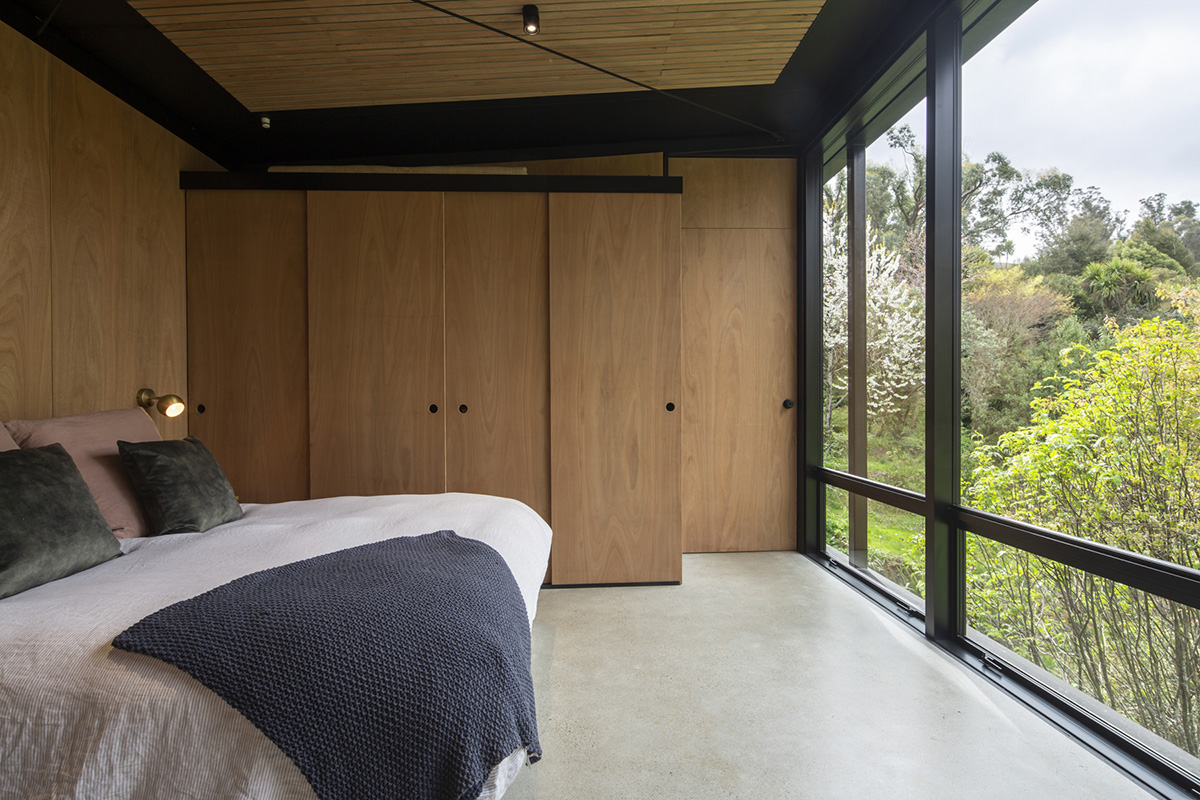
If you're renovating or building and weighing up your window options, awning windows are worth a close look. They're one of the most popular window styles in New Zealand homes for good reason — strong ventilation, a clean modern look, and the ability to stay open even when it's raining.
This guide walks through how awning windows work, where they perform best, how they compare to casement windows, and why aluminium is the material of choice for New Zealand conditions.

An awning window is hinged along the top edge and opens outward from the bottom, much like a small awning over the opening — which is where the name comes from. A hand crank or lever mechanism controls how far the sash opens, giving you precise control over airflow.
Because the sash tilts outward rather than sliding or swinging sideways, awning windows don't need extra clearance inside or outside the frame. That makes them a flexible choice above benchtops, behind furniture, or in tighter wall spaces where other window styles would get in the way.
They're commonly used above kitchen sinks, in bathrooms, as highlight windows above larger fixed panes, and increasingly as a standalone window style through living areas and bedrooms.
Excellent ventilation. The outward-opening sash catches passing breezes and directs airflow into the room, even at a narrow opening angle.
Weather protection. Because the sash opens from the top, it acts as its own small awning — you can leave an awning window cracked open in light rain without water getting in, which isn't the case with most other window types.
Energy efficiency. When paired with a thermally broken frame and double glazing, awning windows seal tightly against the frame when closed, reducing draughts and heat loss.
Security. The compression-seal design and multi-point locking hardware make awning windows difficult to force open from outside, even when left ajar for ventilation.
Low maintenance. With no tracks to collect dirt and a simple crank mechanism, awning windows are straightforward to keep clean and operating smoothly.
Kitchens — ideal above benchtops and sinks, where a sliding or hinged window would be impractical.
Bathrooms — the rain-safe design means you can ventilate a bathroom without worrying about water getting in.
Bedrooms — a quiet, secure option for airflow overnight, including at a narrow, safe opening.
Living areas — used alone or paired with fixed glazing for a larger window that still opens for airflow.
Multi-storey homes — because they can be left open safely in changeable weather, they suit upper-floor rooms that aren't checked as often during a rain shower.
Awning and casement windows are often compared, since both use a crank mechanism and open outward. The difference is the hinge position: a casement window is hinged on the side and swings open like a door, while an awning window is hinged at the top and opens from the bottom.
That difference changes how each performs. Casement windows catch and direct side breezes; awning windows are better at capturing airflow from any direction and can be left open in the rain. Casement windows swing outward further and need more external clearance; awning windows sit more compactly, which suits tighter spaces like above a bench or walkway. A fully open casement window gives an unobstructed view; an awning window's sash sits across the top of the opening even when open.
Neither style is "better" outright — it comes down to the room. Awning windows tend to suit kitchens, bathrooms, and anywhere weather protection while ventilating matters. Casement windows suit larger openings where an unobstructed view and maximum airflow are the priority.
Material matters as much as window style, and aluminium is the standard choice for awning windows in New Zealand for a few reasons.
Durability. Aluminium frames won't warp, swell, or rot the way timber can — a real advantage on a window style that's designed to be left open through changeable weather.
Modern appearance. Slim aluminium frames suit both contemporary and renovated homes, with a clean sightline that doesn't bulk out the window opening.
Powder-coated finishes. OMEGA® aluminium joinery is finished with Dulux Duralloy⁺PLUS and Protexture powder coating, giving long-term protection against fading and corrosion — particularly relevant for a window style often installed in exposed spots like above a kitchen sink or on an upper floor.
Ideal for New Zealand conditions. Aluminium's strength-to-weight ratio and resistance to corrosion make it well suited to New Zealand's mix of coastal salt air, UV exposure, and changeable weather — and when paired with a thermally broken frame, aluminium awning windows perform well thermally too, not just structurally.
Omega's Thermally Broken Residential range includes both awning and casement configurations, alongside a wider selection across our full window suite — worth a look if you're comparing styles across a full project.
Can awning windows stay open in the rain?
Yes — this is one of the defining advantages of the style. Because the sash is hinged at the top and opens outward, it shields the opening like a small awning, so you can typically leave an awning window cracked open in light-to-moderate rain without water getting inside.
Are awning windows energy efficient?
They can be, provided the frame and glazing are up to the job. A thermally broken aluminium frame combined with double glazing significantly reduces heat transfer through an awning window compared to a standard single-glazed, non-thermally broken setup.
Can they be double glazed?
Yes. Awning windows are commonly specified with double glazing in New Zealand, and it's the standard choice for anywhere thermal performance matters — which, given our climate, is most homes.
Are awning windows secure?
Yes. The compression-seal design combined with multi-point locking hardware makes awning windows a secure option, including when left open at a narrow ventilation angle.
Awning windows offer a rare combination — strong ventilation, weather protection, security, and a clean modern look — which is why they're such a popular choice for New Zealand homes. Paired with aluminium framing and a thermally broken system, they hold up to our conditions without compromising on performance or style.
If you're weighing up window styles for a build or renovation, our team can help you find the right fit for each room. Get in touch for advice, or explore our aluminium windows and full windows & doors range to see what's available.