Blog

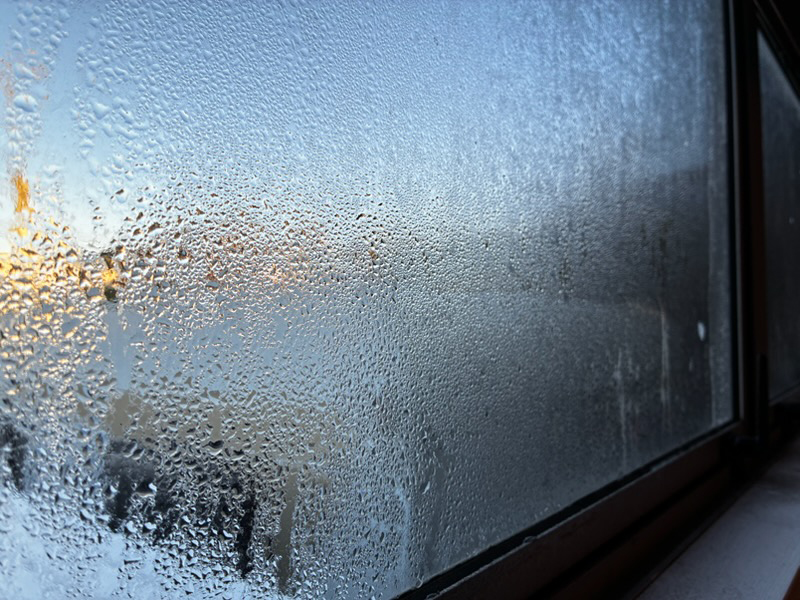
Every winter, thousands of Kiwi homeowners wake up to the same sight: condensation on the inside of your windows. You wipe it away, only for it to come back the next morning. While it might seem like a normal part of winter, persistent condensation is a sign that your home may not be managing heat and moisture as effectively as it could. Your windows play an important role in that equation.

Condensation happens when warm, moist air inside your home comes into contact with a cold window. As the warm air cools against the glass, it can't hold as much moisture, so that moisture turns into tiny water droplets on the surface of the window—just like a cold drink "sweats" on a hot day.
In winter, this is more common because the temperature difference between inside and outside is much greater. Older single-glazed windows and poorly insulated frames stay colder, making condensation more likely to form.
If you're seeing condensation on your windows, you might also notice your home never seems to feel truly warm—even with the heater running.
That's because the same cold window surfaces that cause condensation can also make a room feel colder. Glass is a poor insulator compared to a well-insulated wall, so heat escapes more easily through older windows. As warmth leaves your home, your heating system has to work harder to maintain a comfortable temperature.
You may notice it most when sitting near a window, where the glass feels cold to the touch or there's a noticeable chill. Even if your heater is warming the air, cold windows can make the entire room feel less comfortable.
Older windows, particularly single-glazed systems or aluminium frames without a thermal break, allow heat to transfer more easily between inside and outside. As the glass cools, condensation becomes more likely, and your home loses warmth faster. Modern double glazing and thermally broken aluminium frames - which include an insulating barrier between the inside and outside of the frame - help keep the inside surface of the glass warmer, improving comfort and reducing condensation.
While a small amount of condensation can be normal on cold winter mornings, persistent condensation shouldn't be ignored. Excess moisture can encourage mould growth, damage timber window-sills and curtains, and create a damp environment that's less comfortable to live in. If you're wiping down your windows every day, it's a sign your home could benefit from better moisture management and improved thermal performance.
Modern double glazing and thermally broken window systems can dramatically reduce condensation by keeping the inside surface of the glass warmer. However, even the best-performing windows can't completely eliminate condensation if there's too much moisture in the home.
Everyday activities like cooking, showering and drying clothes indoors all add humidity to the air, so good ventilation is just as important. Opening windows regularly, using extractor fans and maintaining a consistent indoor temperature can all help reduce condensation. Combined with quality window systems, these simple habits can create a warmer, drier and more comfortable home.
Condensation isn't just something to wipe away each morning—it's your home's way of telling you that warm, moisture-filled air is meeting cold surfaces. While managing indoor humidity through good ventilation is an important part of the solution, the performance of your windows can make a significant difference too. Modern double glazing and thermally broken aluminium systems help keep the inside surface of the glass warmer, reducing condensation and creating a more comfortable living environment.
At Omega Windows & Doors, our 800 Series features thermally broken aluminium joinery designed specifically for New Zealand conditions, helping to improve thermal performance, reduce heat transfer and create warmer, drier homes throughout winter. Whether you're building new or replacing older windows, choosing the right window system can make a noticeable difference to your home's comfort all year round.